Product Center
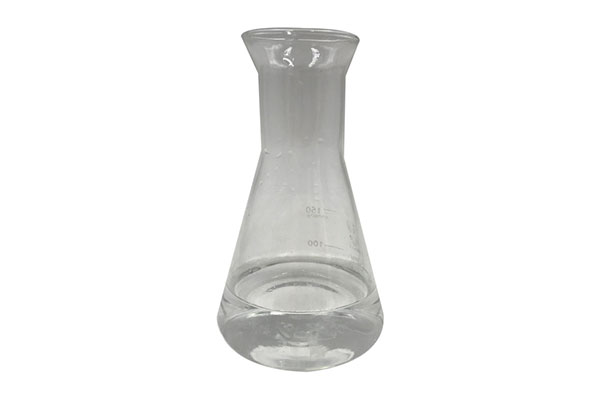
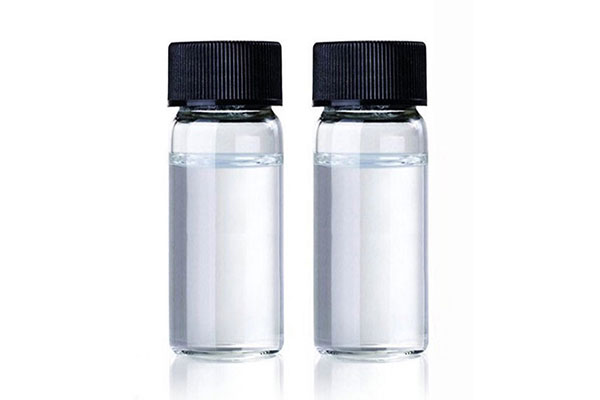
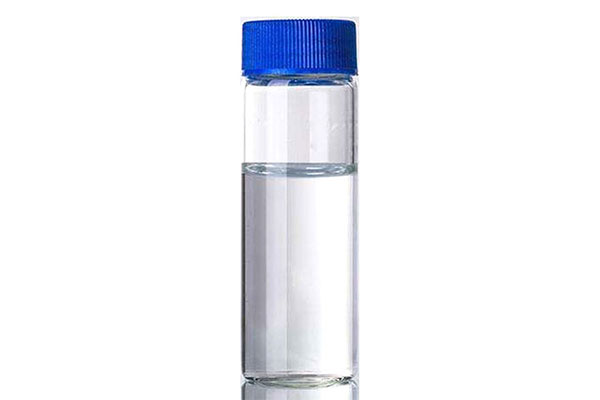
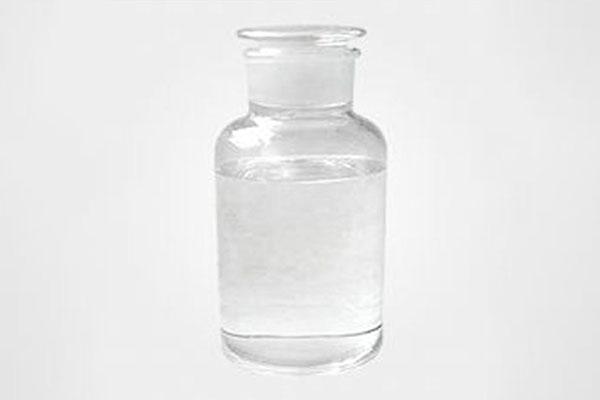
We offer a one-stop sourcing service for a full range of chemical products, and our professional foreign trade team provides end-to-end export services.
PRODUCT PARAMETERS
Chemical Properties Of Ethanol 64-17-5
Safety Information Of Ethanol 64-17-5
Product Application Of Ethanol 64-17-5
Medical
- A solution of 70-85% of ethanol is commonly used as a disinfectant and it kills organisms by denaturing their proteins and dissolving their lipids.
- It is effective against most bacteria and fungi, and many viruses, but is ineffective against bacterial spores. This disinfectant property of ethanol is the reason that alcoholic beverages can be stored for a long time. Ethanol also has many medical uses, and can be found in products such as medicines, medical wipes and as an antiseptic in most antibacterial hand sanitizer gels.
Ethanal can also be used as antidote. It competitively blocks the formation of toxic metabolites in toxic alcohol ingestions by having a higher affinity for the enzyme Alcohol Dehydrogenase (ADH). Its chief application is in methanol and ethylene glycol ingestions. Ethanol can be administered by the oral, nasogastric or intravenous route to maintain a blood ethanol concentration of 100-150 mg/dl (22-33 mol/L).
Fuel
- Ethanol is flammable and burns more cleanly than many other fuels. Ethanol has been used in cars since Henry Ford designed his 1908 Model T to operate on alcohol. In Brazil and the United States, the use of ethanol from sugar cane and grain as car fuel has been promoted by government programs.
- The Brazilian ethanol program started as a way to reduce the reliance on oil imports, but it was soon realized that it had important environmental and social benefits. The fully combusted products of ethanol are only carbon dioxide and water.
- For this reason, it is environmental friendly and has been used to fuel public buses in the US. However, pure ethanol attacks certain rubber and plastic materials and cannot be used in unmodified car engines.
- The alcohol-based alternative fuel that is blended with gasoline to produce a fuel with a higher octane rating and fewer harmful emissions than unblended gasoline. A mixture containing gasoline with at least 10% ethanol is known as gasohol. Specifically, gasoline with 10% ethanol content is known as E10.
- Another common gasohol variant is E15, which contains 15% ethanol and 85% gasoline. E15 is only appropriate for use in Flex Fuel vehicles or a very small percentage of the newest vehicles. In addition, E85 is a term used for a mixture of 15% gasoline and 85% ethanol. E85 keeps the fuel system clean because it burns cleaner than regular gas or diesel and doesn’t leave behind gummy deposits.
- Beginning with the model year 1999, a number of vehicles in the U.S. were manufactured so as to be able to run on E85 fuel without modification. These vehicles are often labeled dual fuel or flexible fuel vehicles, since they can automatically detect the type of fuel and change the engine’s behavior to compensate for the different ways that they burn in the engine cylinders.
- The use of ethanol-diesel fuel blends is growing around the world, and are designed to provide renewable, cleaner burning fuel alternatives for off-road equipment, buses, semi-trucks and other vehicles that run on diesel fuel. With the addition of ethanol and other fuel additives to diesel, the characteristic black diesel smoke is eliminated and there are significant reductions in particulate matter, carbon monoxide, and nitrogen oxide emissions.
It is also possible to use ethanol for cooking as a replacement for wood, charcoal, propane, or as a substitute for lighting fuels, such as kerosene.
Brazil and the United States lead the industrial production of ethanol fuel, accounting together for 89% of the world’s production in 2008. In comparison with the USA and Brazil, Europe ethanol for fuel production is still very modest. Brazil is the world’s second largest producer of ethanol fuel and the world’s largest exporter.
Beverage
Significant volumes of ethanol are produced for the beverage and industrial markets from agricultural feedstock. Ethanol produced for these industries differs from ethanol for fuel only in its strength, which can vary between 96% and 99.9% and in its purity, depending on the end use. Beverage and drinks industry may be the best-known end-user of ethanol. It is used to make many kinds of spirits, such vodka, gin and anisette. High standards and processes are required for ethanal used in the production of spirit drinks.
Others
The ethanol used as an intermediary product by the chemical, pharmaceutical or cosmetics industry is in many cases of the highest and purest possible quality. These are premium markets due to the additional steps in the alcohol production process that are necessary to achieve the required purity. Same high standards and purity requirements apply in food industry, such as flavors and aromas extraction and concentrations, as well as paints and thermometers. Ethanol can be used in de-icer or anti-freeze to clear the car windscreen. It also is contained in perfumes, deodorants, and other cosmetics.
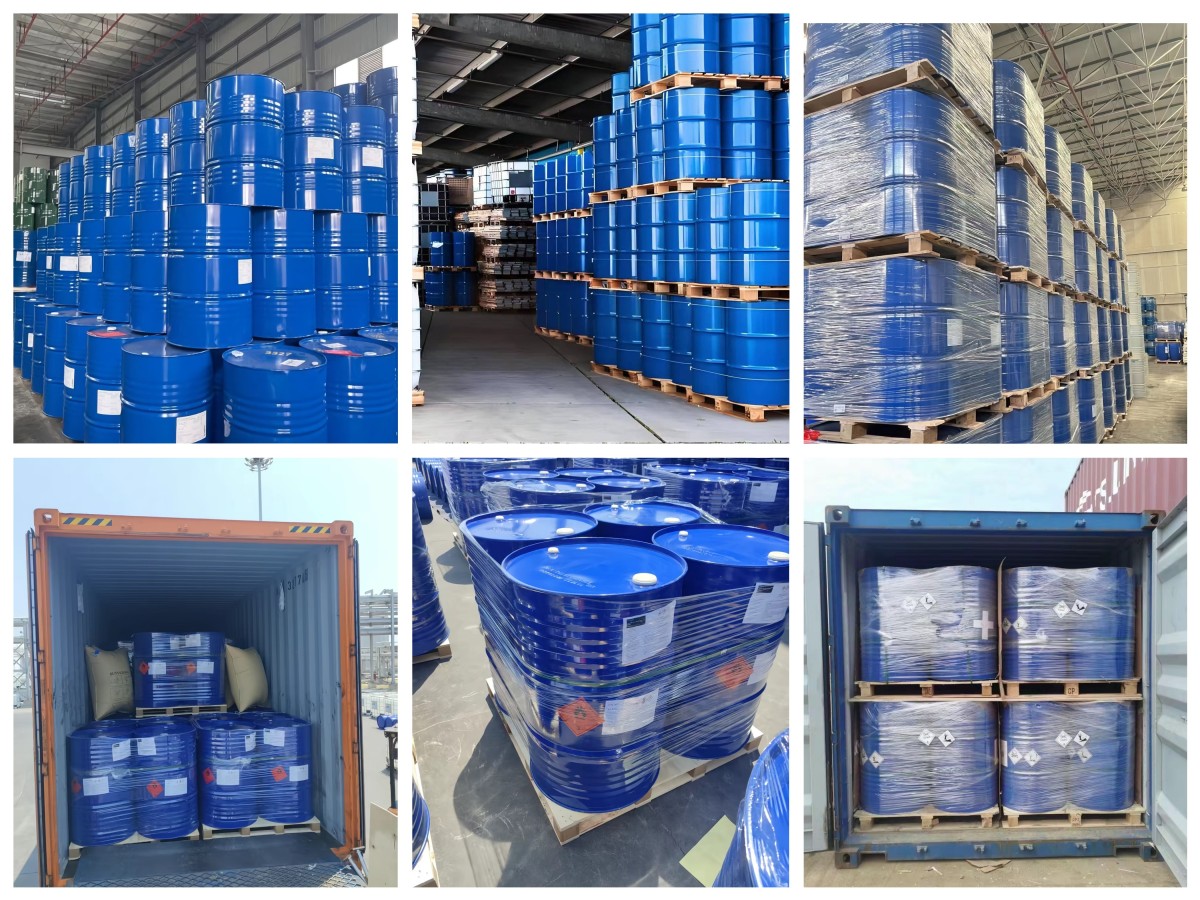
Packaging and Shipping
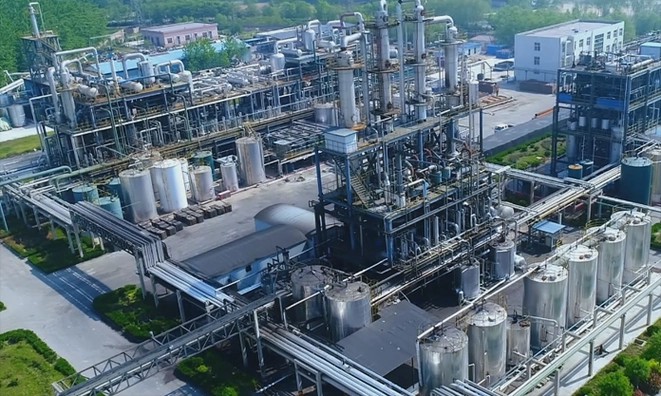
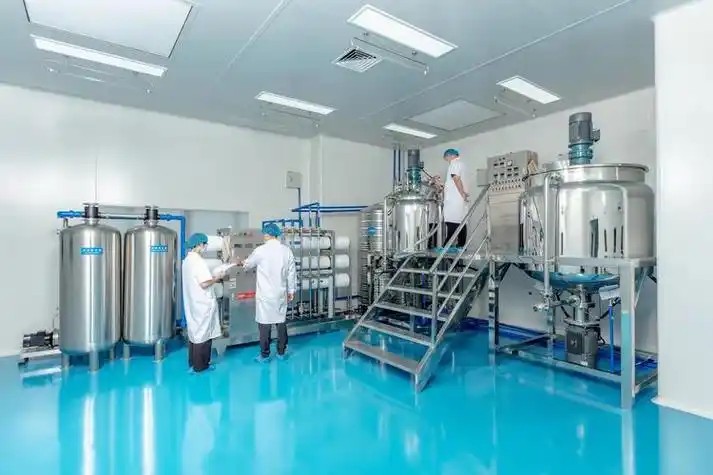
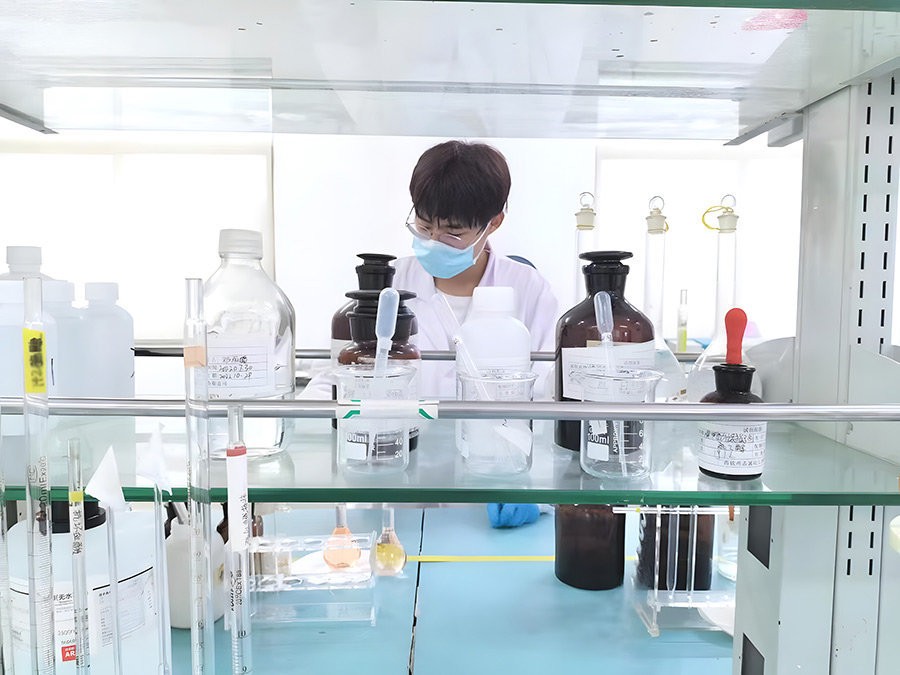
FACTORY DISPLAY
FAQ
What payment methods are accepted for new clients during their initial transaction?
What should I do if the products encounter quality issues?
Do you provide technical support?
How are hazardous materials transported?
What payment methods do you accept?
Telegraphic Transfer (T/T): Typically 30% upfront payment, with the remaining 70% payable upon presentation of a copy of the Bill of Lading.
Letter of Credit (L/C) at Sight: We accept Letters of Credit issued by internationally recognized banks.
Western Union / MoneyGram: Accepted only for small-value sample orders.
Open Account (OA): Available exclusively to long-term partners with a proven credit history, subject to a credit assessment.
What is the typical lead time for delivery?
In-stock products: Shipped within 3–7 business days after receipt of payment.
Standard orders: 7–15 business days.
Custom/Special Specifications (e.g., specific resin grades, compounded water treatment agents): 15–25 business days.
Specific timelines are subject to the terms stipulated in the contract.
From which ports do you primarily ship?
What type of company is Shandong Wanhua-da New Materials Co., Ltd.?
Is the company qualified to export hazardous chemicals?
Which markets does the company primarily serve?
What are the company's core products?
Paints & Coatings: Titanium Dioxide, Iron Oxide Pigments, Acrylic/Epoxy Resins, Solvents, Curing Agents, Additives
Fertilizers & Agricultural Inputs: Urea, Diammonium Phosphate (DAP), Muriate of Potash (MOP), Potassium Sulfate, Compound Fertilizers, Ammonium Sulfate
Water Treatment Chemicals: Polyaluminum Chloride (PAC), Polyacrylamide (PAM), Scale Inhibitors, Corrosion Inhibitors, Biocides/Algaecides, Activated Carbon
Synthetic Resins: PP, PE, PVC, PS, ABS, Epoxy Resins, Unsaturated Polyester Resins
Paraffin & Wax Products: Fully Refined Paraffin, Semi-Refined Paraffin, Microcrystalline Wax, Vaseline, White Oil
Food Additives: Thickeners (Xanthan Gum, CMC), Preservatives (Sodium Benzoate, Potassium Sorbate), Sweeteners, Acidity Regulators (Citric Acid)
Cosmetic Ingredients: Humectants (Glycerin, Propylene Glycol), Surfactants (AES, 6501), Emulsifiers, White Oil, Vaseline, Functional Additi
How can I obtain a product quotation? What information do I need to provide?
Product Name and Specifications (e.g., purity, grade, content, particle size, etc.)
Target Purchase Quantity
Destination Port and Desired Delivery Date
Any Special Requirements (e.g., packaging, third-party testing, certification documents, etc.)
What is the Minimum Order Quantity (MOQ)?
Bulk commodities (e.g., paints, resins, paraffin wax, fertilizers): Generally require a minimum order of 1–5 tons; small-batch trial orders may be available for select products.
Water treatment chemicals: Standard grades are packaged in 25kg bags, with a minimum order quantity of 1 ton.
Food additives and cosmetic raw materials: Small-batch orders (25kg to 1 ton) are supported to facilitate customer sampling and testing.
Liquid chemicals (e.g., solvents, glycerin): Drummed products can be consolidated (LCL); bulk shipments require a minimum order of 20 tons.
Please consult our sales representatives for specific details.
How do you ensure product quality?
Can you provide samples?
What foreign trade services do you offer?
Contract negotiation and Letter of Credit (L/C) review
Inventory tracking and production coordination
Export booking, customs declaration, and inspection filing
Preparation of a complete set of export documents (Bill of Lading, Commercial Invoice, Packing List, COA, Certificate of Origin, Hazardous Packaging Certificate, MSDS, Health Certificate, etc.)
Assistance with preparing import clearance documents required at the destination port (e.g., sanitary certificates for food additives)
Follow-up on payment settlement
Customers simply need to confirm their orders and make payments; we professionally handle all remaining export procedures.
Are there specific documentation requirements for exporting food additives and cosmetic raw materials?
Can you handle Certificates of Origin (such as FORM E, CO, etc.)?
PLEASE CONTACT US