Sodium Hydroxide CAS#1310-73-2

Sodium Hydroxide CAS#1310-73-2

We offer a one-stop sourcing service for a full range of chemical products, and our professional foreign trade team provides end-to-end export services.

Phone :+86 188 6302 9771
WhatsApp :+86 188 6302 9771
Email :sales@whdchem.com
Message

PRODUCT PARAMETERS

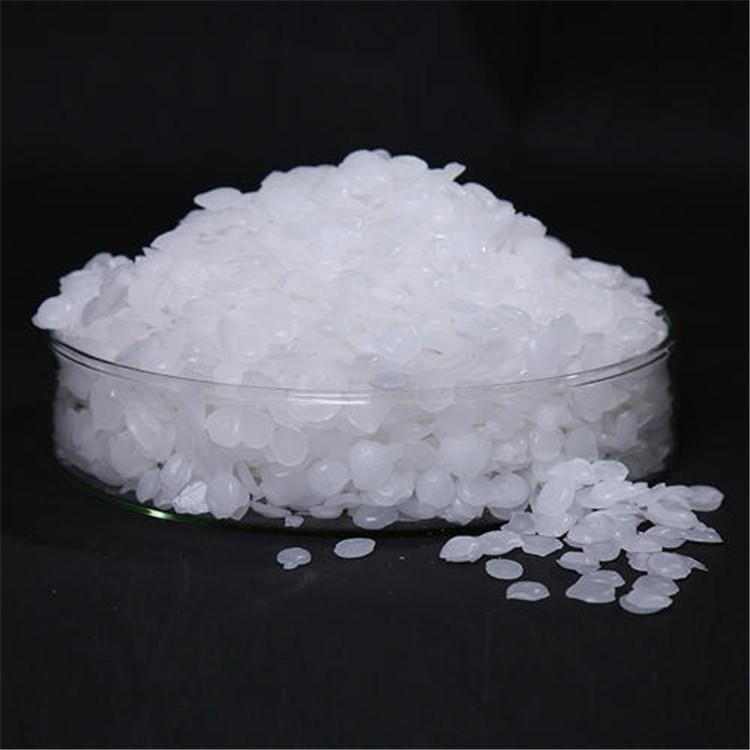
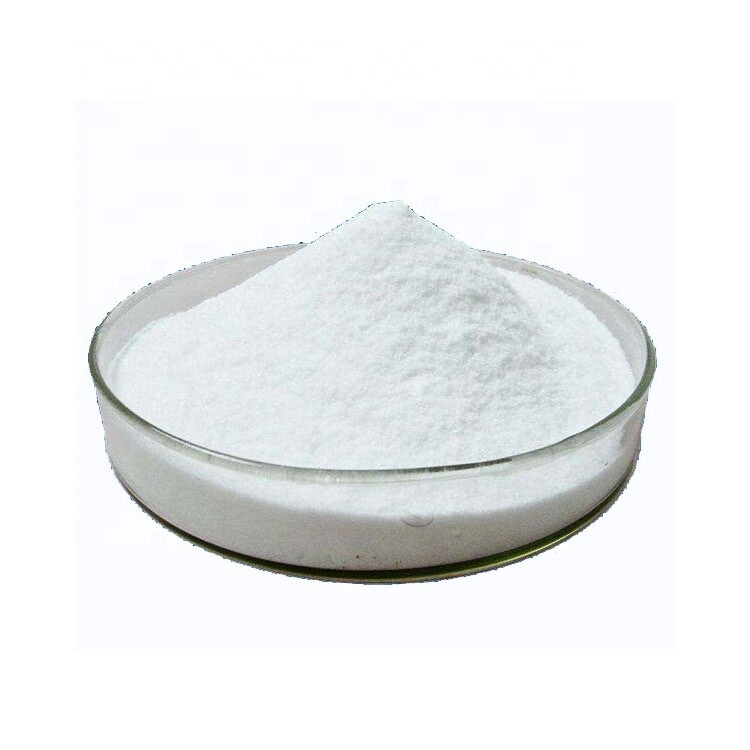
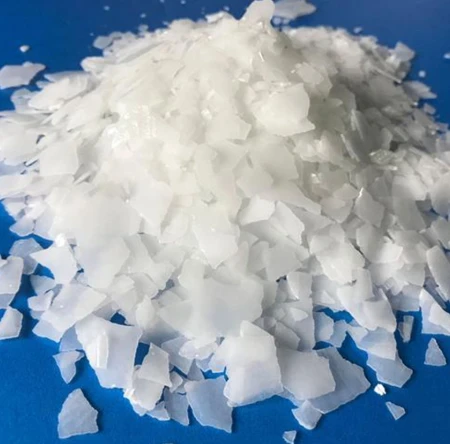
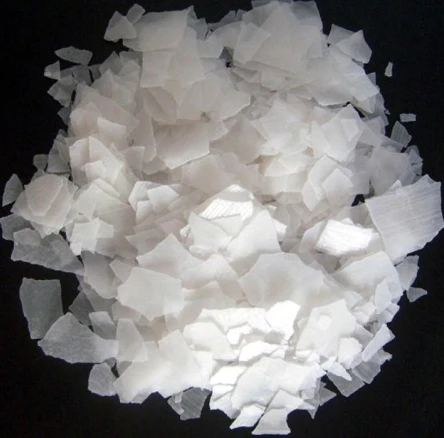
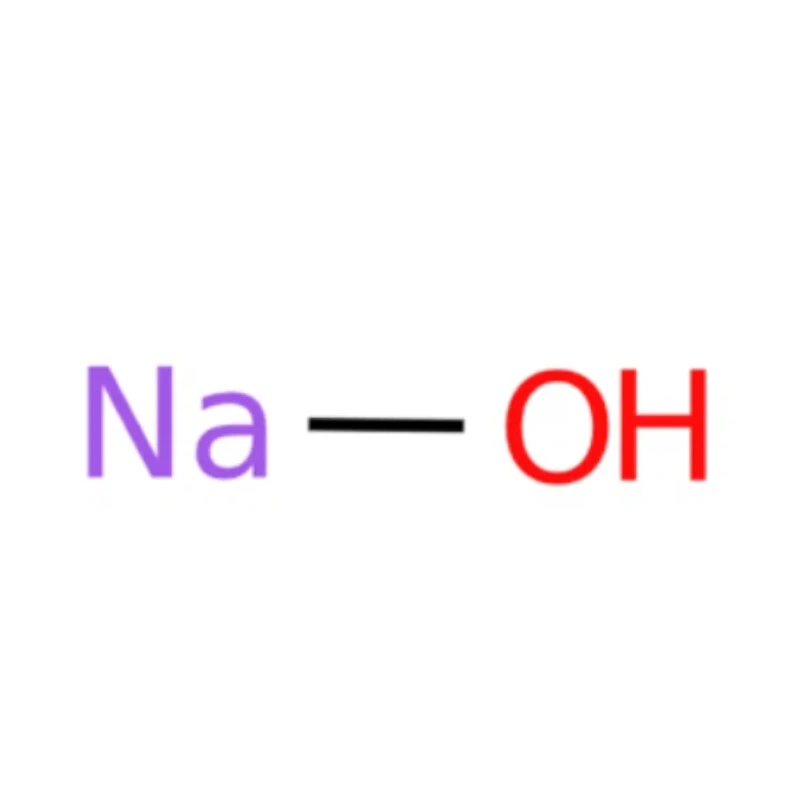
Sodium hydroxide, also known as caustic soda, has the chemical formula NaOH. It is a highly corrosive strong alkali, typically appearing as white flakes or granules. It readily mixes with water to form an alkaline solution and is also soluble in methanol and ethanol. Being deliquescent, it absorbs moisture from the air as well as acidic gases like carbon dioxide. Sodium hydroxide is one of the most widely used chemicals, essential in many industrial processes, including the production of paper pulp, textiles, soap, and other cleaning agents. It is also commonly used in household alkaline drain cleaners.

Sodium hydroxide Chemical Properties

Melting point

681 °C(lit.)

Boiling point

1390°C

density

1.515 g/mL at 20 °C

vapor density

<1 (vs air)

vapor pressure

1 mm Hg ( 745 °C)

refractive index

1,473-1,475

Fp

176-178°C

storage temp.

room temp

solubility

H2O: 1 M at 20 °C, clear, colorless

form

beads

color

White

Specific Gravity

2.13

Odor

Odorless

PH Range

13 - 14

PH

10.98(1 mM solution);11.95(10 mM solution);12.88(100 mM solution);

Water Solubility

SOLUBLE

Sensitive

Air Sensitive & Hygroscopic

Decomposition

176-178 ºC

λmax

λ: 260 nm Amax: 0.015

λ: 280 nm Amax: 0.01

Merck

148,627

Dielectric constant

57.5(25℃)

Exposure limits

TLV-TWA air 2 mg/m3 (OSHA); ceiling 2 mg/m3 (ACGIH) and 2 mg/m3/15 min (NIOSH).

Stability:

hygroscopic

CAS DataBase Reference

1310-73-2(CAS DataBase Reference)

NIST Chemistry Reference

Sodium hydroxide(1310-73-2)

EPA Substance Registry System

Sodium hydroxide (1310-73-2)

Safety Information


Hazard Codes

C,Xi

Risk Statements

36/38-35-34

Safety Statements

26-45-37/39-24/25-36/37/39

RIDADR

UN 1824 8/PG 2

WGK Germany

1

RTECS

TT2975000

F

8

TSCA

Yes

HS Code

2815 11 00

HazardClass

8

PackingGroup

II

Hazardous Substances Data

1310-73-2(Hazardous Substances Data)

Toxicity

LD orally in rabbits: 500 mg/kg (10% soln) (Fazekas)

IDLA

10 mg/m3


Sodium hydroxide has a broad range of applications. In chemical experiments, it serves not only as a reagent but also as an alkaline desiccant due to its strong hygroscopic properties. Caustic soda plays a vital role in the national economy, with numerous industrial sectors relying on it. The largest consumer is the chemical manufacturing industry, followed by paper production, aluminum and tungsten smelting, viscose fiber manufacturing, and soap production. It is also used in the manufacture of dyes, plastics, pharmaceuticals, organic intermediates, reclaimed rubber, metal sodium electrolysis, water treatment, and inorganic salt production such as borax, chromium salts, manganates, and phosphates.

Industrial sodium hydroxide must meet the requirements of national standard GB209-2006;
Industrial ion-exchange membrane sodium hydroxide should comply with GB/T11199-89;
Sodium hydroxide for chemical fiber should meet GB11212-89;
Food-grade sodium hydroxide must conform to GB5175-85.

In industrial contexts, sodium hydroxide is commonly referred to as caustic soda, a name derived from its ability to cause severe skin burns upon contact with concentrated solutions. It dissolves proteins, making alkali burns slower to heal than acid burns. A 0.02% solution instilled into rabbit eyes can damage the corneal epithelium. Toxicity data include: mouse intraperitoneal LD50 of 40 mg/kg and rabbit oral LDLo of 500 mg/kg. Dust can irritate the eyes and respiratory tract, corrode the nasal septum, and damage skin—especially mucous membranes—producing soft scabs that may penetrate deeply and leave permanent scars.

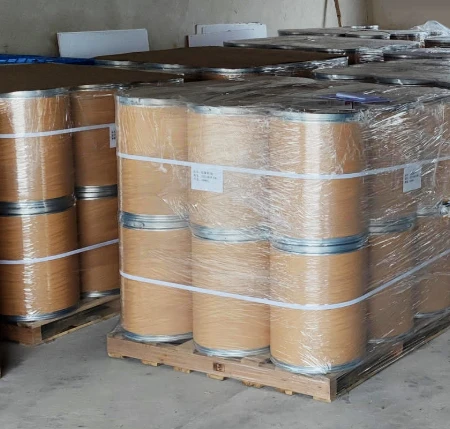
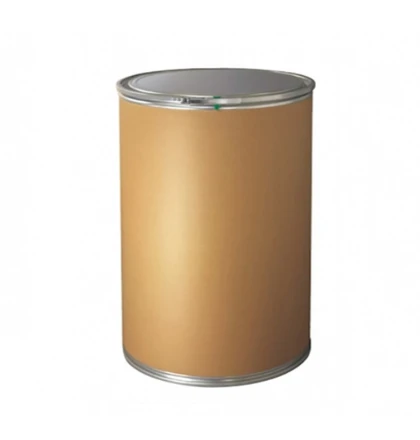
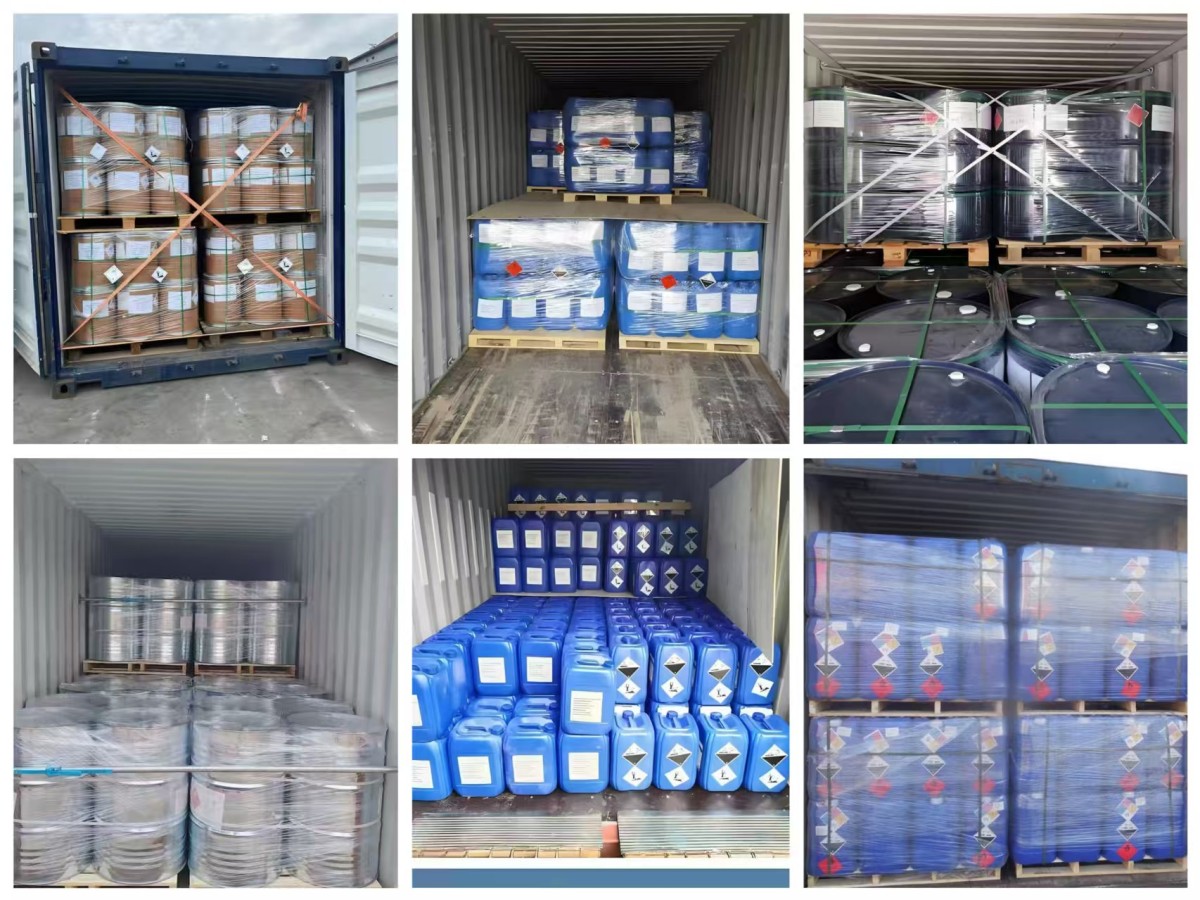
Packaging and Shipping
桶装包装2


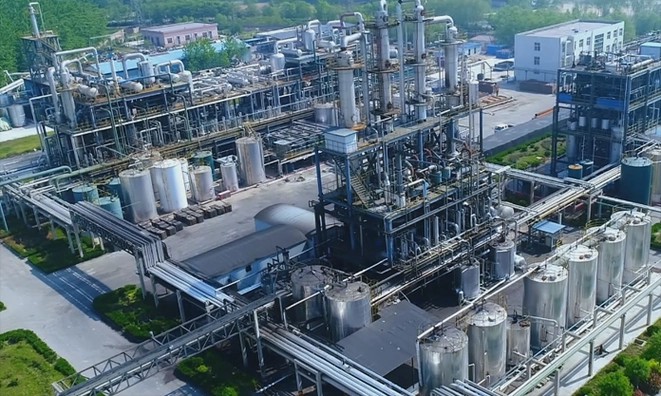
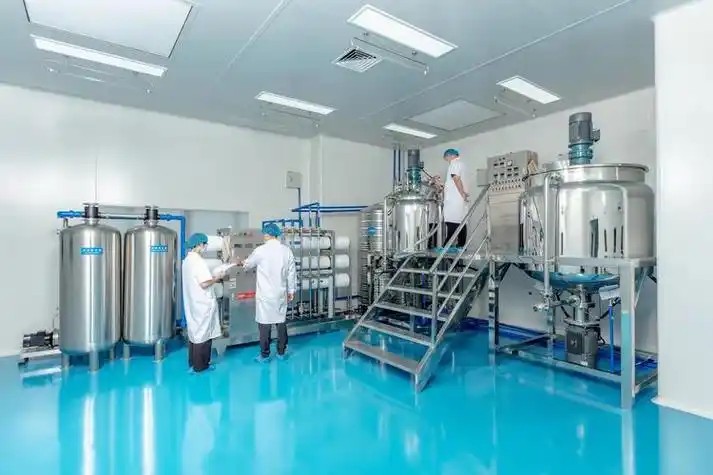
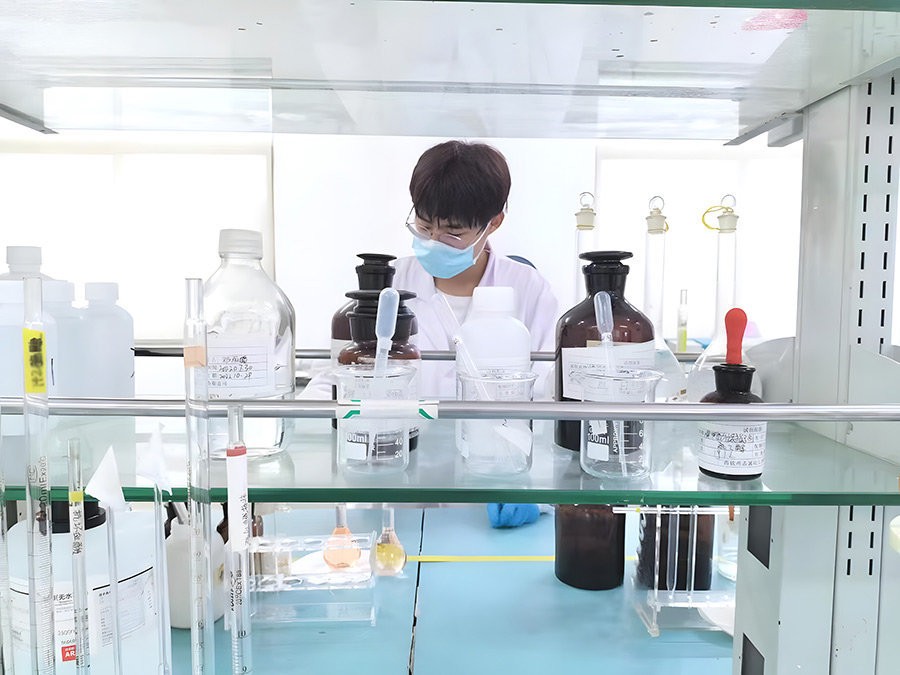
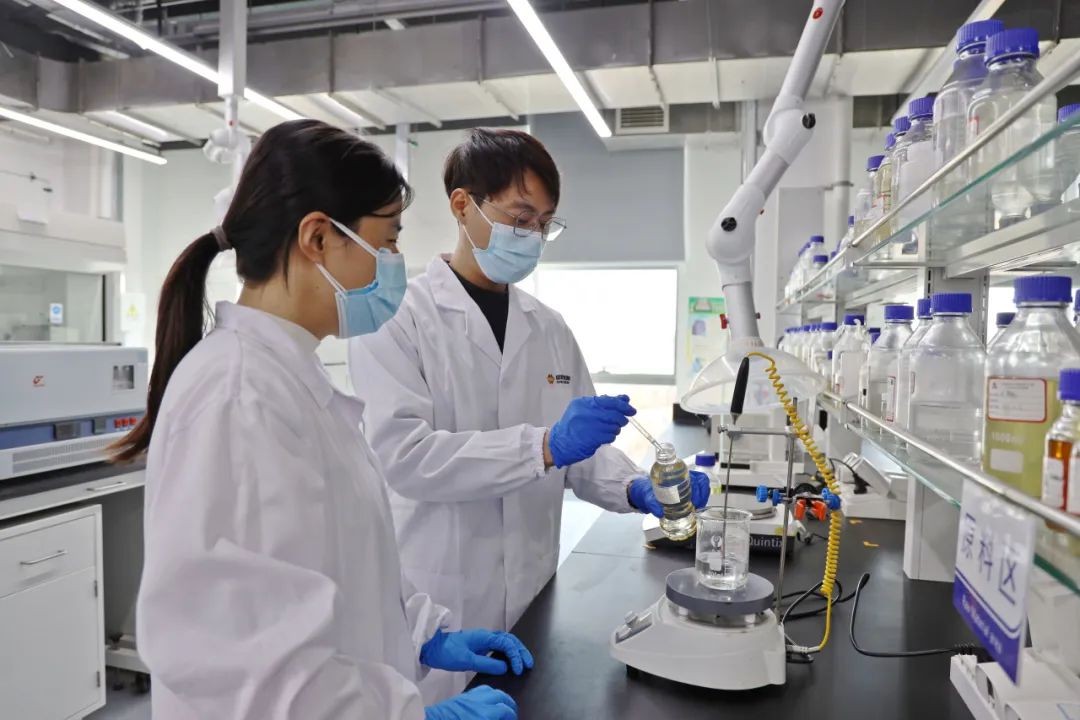
FACTORY DISPLAY

  • 1770175684054
  • 1770175784256
  • 1772775354085
  • 1772774938959
  • 1772775218811
  • 1772774909867

FAQ

Q:

What payment methods are accepted for new clients during their initial transaction?

A:
For new clients engaging in their first collaboration with us, we recommend a payment structure consisting of a T/T prepayment followed by the balance paid upon presentation of a copy of the Bill of Lading, or payment via Sight L/C. For small-batch trial orders (typically under a few thousand US dollars), 100% prepayment may be negotiated.
Q:

What should I do if the products encounter quality issues?

A:
Our company places a high priority on customer satisfaction. Should any quality issues arise, please provide relevant evidence promptly (such as photos, videos, third-party inspection reports, warehousing records, etc.). We will actively consult with you—in accordance with the terms of our contract—to negotiate a suitable resolution, which may include returns, replacements, supplementary shipments, or appropriate compensation. For food additives and cosmetic raw materials, we can also assist in tracing the specific production batch.
Q:

Do you provide technical support?

A:
Yes, we do. Our business team possesses specialized expertise in chemistry and can assist clients in addressing inquiries regarding product applications, formulation recommendations, technical parameters, and processing techniques. For products requiring on-site technical assistance—such as paints, water treatment agents, and cosmetic raw materials—we can coordinate with the manufacturers to provide either remote or on-site guidance.
Q:

How are hazardous materials transported?

A:
We possess extensive experience in exporting hazardous materials (such as solvents, certain resins, liquid paraffin, etc.). Based on the product's hazard class, we provide compliant hazardous material packaging (UN packaging) and the necessary Hazardous Packaging Certificate, and assist in booking cargo space for hazardous goods to ensure full compliance during shipment.
Q:

What payment methods do you accept?

A:
Our standard payment methods include:
Telegraphic Transfer (T/T): Typically 30% upfront payment, with the remaining 70% payable upon presentation of a copy of the Bill of Lading.
Letter of Credit (L/C) at Sight: We accept Letters of Credit issued by internationally recognized banks.
Western Union / MoneyGram: Accepted only for small-value sample orders.
Open Account (OA): Available exclusively to long-term partners with a proven credit history, subject to a credit assessment.
Q:

What is the typical lead time for delivery?

A:
The lead times for standard products are as follows:
In-stock products: Shipped within 3–7 business days after receipt of payment.
Standard orders: 7–15 business days.
Custom/Special Specifications (e.g., specific resin grades, compounded water treatment agents): 15–25 business days.
Specific timelines are subject to the terms stipulated in the contract.
Q:

From which ports do you primarily ship?

A:
We primarily utilize the ports of Qingdao, Tianjin, and Shanghai; however, we can also arrange shipments from other major domestic ports—such as Ningbo, Guangzhou, and Shenzhen—according to client requirements. For inland clients, we can provide door-to-door trucking services.
Q:

What type of company is Shandong Wanhua-da New Materials Co., Ltd.?

A:
We are a comprehensive foreign trade company specializing in the international trade of chemical products. Leveraging the strengths of Shandong's chemical industry and the expertise of our professional foreign trade team, we provide global clients with one-stop procurement and export services for a wide range of chemical products—including paints and coatings, fertilizers and agricultural inputs, water treatment chemicals, synthetic resins, paraffin wax and related products, food additives, and cosmetic raw materials.
Q:

Is the company qualified to export hazardous chemicals?

A:
Yes. We hold valid licenses for the operation of hazardous chemicals and possess extensive knowledge regarding the export declaration, packaging, documentation, and transportation requirements for various hazardous materials (such as solvents, certain resins, paraffin wax, etc.), thereby ensuring that every transaction is safe and fully compliant.
Q:

Which markets does the company primarily serve?

A:
Our clients are located worldwide; our primary markets include Southeast Asia (Vietnam, Thailand, Indonesia, Malaysia), the Middle East (UAE, Saudi Arabia), Africa (Nigeria, Kenya, Egypt), Europe and the Americas (Germany, Poland, USA), as well as CIS countries.
Q:

What are the company's core products?

A:
Our company’s product portfolio spans seven major categories, detailed as follows:
Paints & Coatings: Titanium Dioxide, Iron Oxide Pigments, Acrylic/Epoxy Resins, Solvents, Curing Agents, Additives
Fertilizers & Agricultural Inputs: Urea, Diammonium Phosphate (DAP), Muriate of Potash (MOP), Potassium Sulfate, Compound Fertilizers, Ammonium Sulfate
Water Treatment Chemicals: Polyaluminum Chloride (PAC), Polyacrylamide (PAM), Scale Inhibitors, Corrosion Inhibitors, Biocides/Algaecides, Activated Carbon
Synthetic Resins: PP, PE, PVC, PS, ABS, Epoxy Resins, Unsaturated Polyester Resins
Paraffin & Wax Products: Fully Refined Paraffin, Semi-Refined Paraffin, Microcrystalline Wax, Vaseline, White Oil
Food Additives: Thickeners (Xanthan Gum, CMC), Preservatives (Sodium Benzoate, Potassium Sorbate), Sweeteners, Acidity Regulators (Citric Acid)
Cosmetic Ingredients: Humectants (Glycerin, Propylene Glycol), Surfactants (AES, 6501), Emulsifiers, White Oil, Vaseline, Functional Additi
Q:

How can I obtain a product quotation? What information do I need to provide?

A:
ou may contact us via our website's messaging system, telephone, email, or instant messaging tools. To ensure a quick and accurate quotation, please provide the following details:
Product Name and Specifications (e.g., purity, grade, content, particle size, etc.)
Target Purchase Quantity
Destination Port and Desired Delivery Date
Any Special Requirements (e.g., packaging, third-party testing, certification documents, etc.)
Q:

What is the Minimum Order Quantity (MOQ)?

A:
Product requirements vary significantly:
Bulk commodities (e.g., paints, resins, paraffin wax, fertilizers): Generally require a minimum order of 1–5 tons; small-batch trial orders may be available for select products.
Water treatment chemicals: Standard grades are packaged in 25kg bags, with a minimum order quantity of 1 ton.
Food additives and cosmetic raw materials: Small-batch orders (25kg to 1 ton) are supported to facilitate customer sampling and testing.
Liquid chemicals (e.g., solvents, glycerin): Drummed products can be consolidated (LCL); bulk shipments require a minimum order of 20 tons.
Please consult our sales representatives for specific details.
Q:

How do you ensure product quality?

A:
We strictly vet our manufacturing partners, collaborating exclusively with high-quality enterprises that hold certifications such as ISO and FDA. A Certificate of Analysis (COA) is provided with every shipment. Upon customer request, we can arrange for third-party inspection agencies—such as SGS, BV, or ITS—to conduct testing and verify that the products meet international standards or specific customer requirements.
Q:

Can you provide samples?

A:
Yes. For standard products, we can provide commercial samples for customer testing. Please consult with our sales representatives to confirm our sample policy (regarding free/paid samples and freight costs). For certain hazardous materials or controlled substances, documentation regarding the intended end-use may be required.
Q:

What foreign trade services do you offer?

A:
We provide comprehensive, end-to-end export services for chemical products, including:
Contract negotiation and Letter of Credit (L/C) review
Inventory tracking and production coordination
Export booking, customs declaration, and inspection filing
Preparation of a complete set of export documents (Bill of Lading, Commercial Invoice, Packing List, COA, Certificate of Origin, Hazardous Packaging Certificate, MSDS, Health Certificate, etc.)
Assistance with preparing import clearance documents required at the destination port (e.g., sanitary certificates for food additives)
Follow-up on payment settlement
Customers simply need to confirm their orders and make payments; we professionally handle all remaining export procedures.
Q:

Are there specific documentation requirements for exporting food additives and cosmetic raw materials?

A:
Yes. Exporting food additives typically requires documents such as a Sanitary License, Production License, third-party test reports, and a Certificate of Free Sale. Cosmetic raw materials may require an MSDS, COA, and a Declaration of No Animal Testing. We are well-versed in the specific requirements of various destination ports and can assist clients in preparing a complete set of compliance documents.
Q:

Can you handle Certificates of Origin (such as FORM E, CO, etc.)?

A:
Yes. Based on client needs, we can process various types of preferential Certificates of Origin—including the General Certificate of Origin (CO), FORM E (China-ASEAN), FORM F (China-Chile), and the Asia-Pacific Trade Agreement Certificate of Origin—to help clients benefit from tariff reductions.

PLEASE CONTACT US

Subscribe Now